

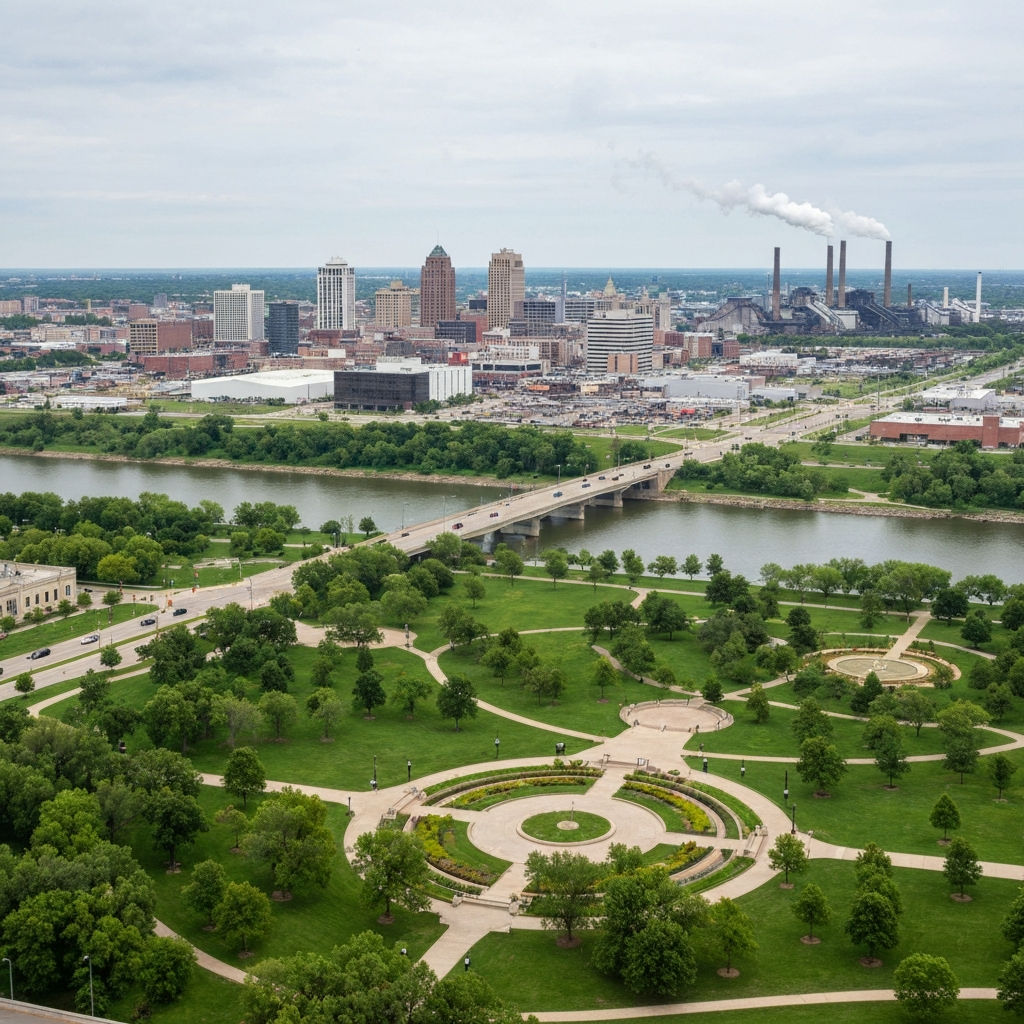
Kansas City, situated at the confluence of the Missouri and Kansas Rivers, experiences a diverse range of weather patterns and environmental challenges. Understanding these factors is essential for residents and policymakers alike.
Flooding Concerns
The city’s geography makes it susceptible to flooding, especially during periods of heavy rainfall. Saturated ground conditions can lead to significant runoff, overwhelming drainage systems and causing localized flooding. For instance, areas like Interstate 70 near downtown have experienced flooding due to these conditions. Blocked sewer grates further exacerbate the problem by preventing stormwater from draining effectively. Residents are encouraged to keep drainage areas clear of debris to mitigate this issue.
Heat and Humidity
Summers in Kansas City are characterized by high temperatures and humidity levels. A phenomenon known as ‘corn sweat’—the release of moisture from corn and soybean fields—can increase humidity, making the heat feel more intense. This effect is particularly noticeable in rural areas but can influence urban humidity levels as well. Additionally, urban areas may experience higher temperatures due to the heat island effect, where concrete and asphalt absorb and re-emit heat, leading to localized temperature increases.
Air Quality Issues
Air quality in Kansas City can be affected by various factors, including vehicle emissions, industrial activities, and weather patterns. Ground-level ozone, commonly referred to as smog, forms when pollutants from these sources react under sunlight. During the summer months, stagnant air conditions can lead to higher concentrations of ozone, posing health risks, especially for individuals with respiratory conditions. Monitoring air quality reports and limiting outdoor activities during high ozone days can help mitigate health impacts.
Environmental Initiatives
Efforts are underway to address these environmental challenges. The Blue River corridor, for example, has seen initiatives focused on sustainable redevelopment and restoration. Organizations and volunteers are working to create trails, restore native natural areas, and revitalize neighborhoods and brownfields. Such projects aim to enhance the city’s resilience against environmental challenges and improve the quality of life for residents.
By staying informed and participating in local environmental initiatives, Kansas City residents can contribute to a more sustainable and resilient community.