

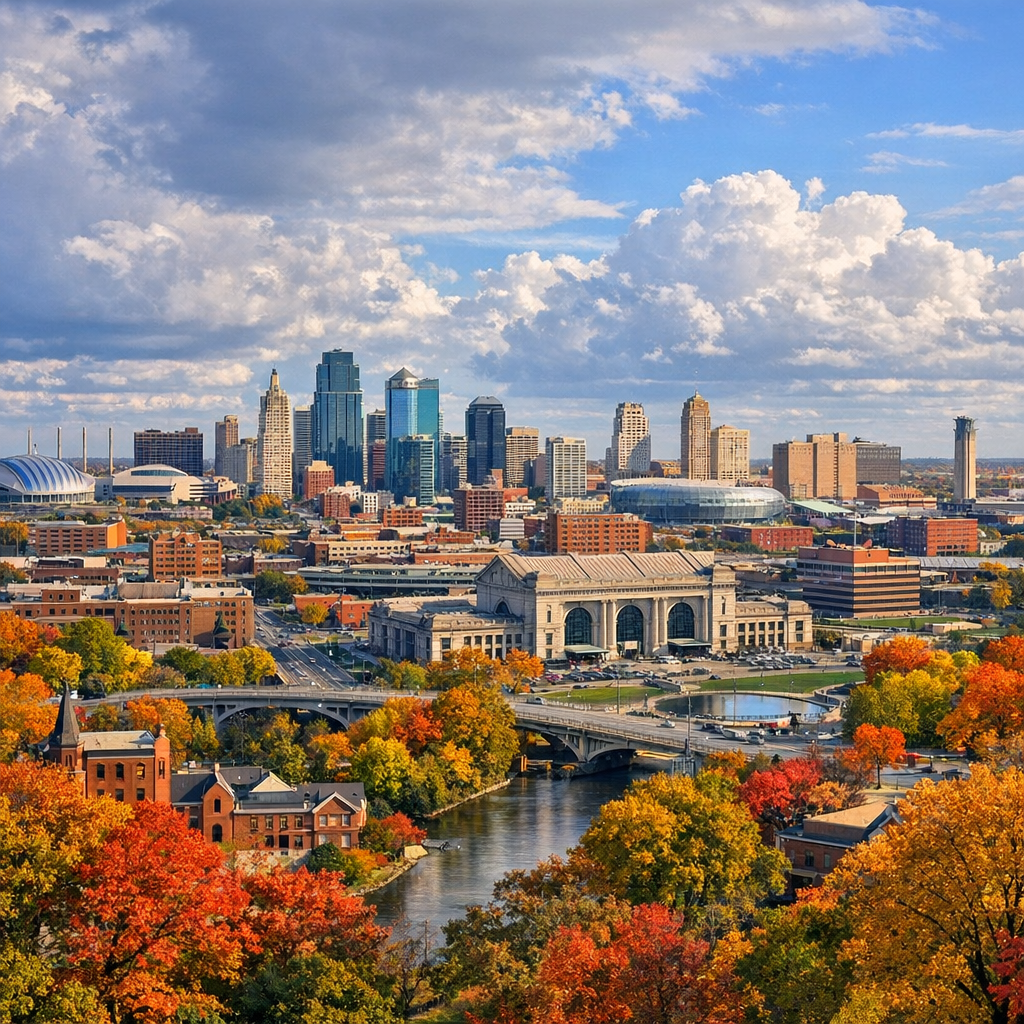
Kansas City, Kansas, experiences a humid subtropical climate characterized by four distinct seasons, each bringing unique weather patterns and environmental considerations.
Spring: A Season of Transition
Spring (March to May) in Kansas City is marked by rapidly changing weather. Temperatures can fluctuate from the 40s°F to the 70s°F. This season is also known for increased precipitation, with May being the wettest month on average. Thunderstorms are common, and the region is susceptible to tornadoes during this period. Residents should stay informed about weather alerts and be prepared for sudden changes.
Summer: Heat and Humidity
Summers (June to August) are typically hot and humid, with average high temperatures reaching the upper 80s°F to low 90s°F. The combination of heat and moisture can lead to muggy conditions. It’s essential to stay hydrated and take precautions against heat-related illnesses. Additionally, summer brings the highest rainfall, often in the form of thunderstorms, which can sometimes be severe.
Fall: Mild and Pleasant
Fall (September to November) offers a reprieve from the summer heat. Temperatures gradually decrease, providing comfortable conditions. This season is generally drier, making it ideal for outdoor activities. The changing foliage adds to the scenic beauty of the region.
Winter: Cold and Snowy
Winters (December to February) are cold, with average low temperatures dipping into the 20s°F. Snowfall is common, and residents should be prepared for icy conditions. Proper winter attire and vehicle maintenance are crucial during this season.
Environmental Considerations
Kansas City’s climate influences various environmental factors. For instance, the city has been working to address air quality concerns, particularly during the summer months when ozone levels can rise. Initiatives like increased tree planting aim to mitigate urban heat and improve air quality. Additionally, residents are encouraged to be mindful of lead contamination in urban soils, a legacy of past industrial activities. Testing and remediation efforts are ongoing to ensure public health and safety.
Understanding these seasonal patterns and environmental factors can help residents and visitors make informed decisions and appreciate the dynamic climate of Kansas City.