

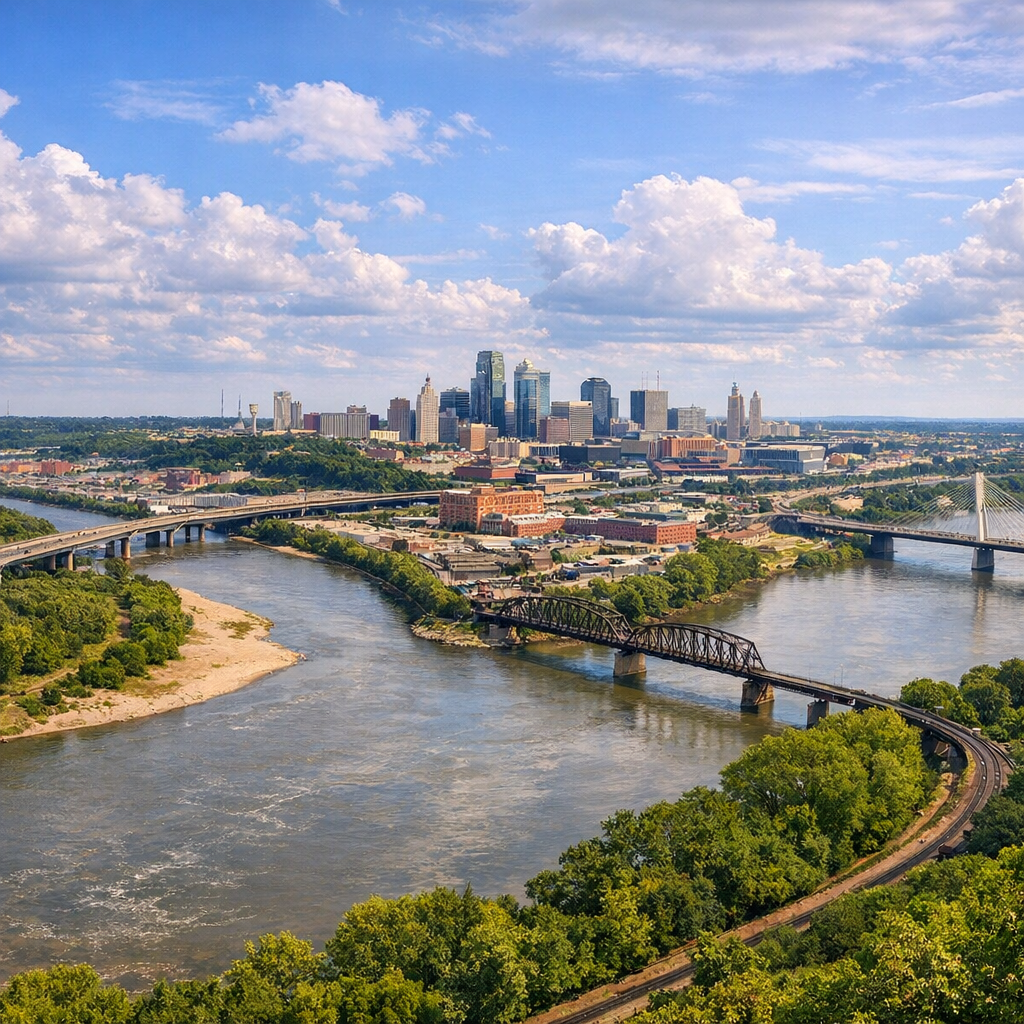
Kansas City’s location at the confluence of the Missouri and Kansas Rivers places it in a unique position to experience a wide range of weather conditions. The city’s climate is classified as humid continental, characterized by hot, humid summers and cold winters, with significant temperature variations throughout the year.
Seasonal Variations
During spring, temperatures can fluctuate dramatically, with March often bringing storms followed by milder days. May typically stands out as the wettest month, marked by frequent thunderstorms and an increased risk of tornadoes. Summer months are known for their heat and humidity, with July and August averaging highs around 90°F. Winters are cold, with January lows frequently dipping into the low 20s°F.
Environmental Factors
Several environmental elements influence Kansas City’s weather:
- Flooding: The city’s river-bottom geography makes it susceptible to flooding, especially during periods of heavy rainfall. Notably, the floods of 1951 and 1993 caused significant damage, and more recent events in 2019 led to substantial economic losses and infrastructure challenges.
- Air Quality: Urban activities contribute to air pollution, with vehicle emissions and industrial processes releasing pollutants that can lead to smog formation. Weather conditions, such as high-pressure systems and lack of wind, can exacerbate these issues by trapping pollutants close to the ground.
- Heat and Humidity: The phenomenon known as “corn sweat,” or evapotranspiration from crops like corn and soybeans, can increase humidity levels during the summer, making the heat feel more oppressive. This effect is particularly noticeable in rural areas surrounding the city but can influence urban humidity levels as well.
Climate Resilience
Recognizing these challenges, Kansas City has been proactive in developing climate resilience and sustainability plans. Efforts include improving infrastructure to manage flood risks, implementing policies to reduce air pollution, and promoting sustainable urban development to mitigate the impacts of extreme weather events.
Understanding the interplay between natural geography and human activities is crucial for residents and policymakers alike. By staying informed and engaged, the community can better prepare for and adapt to the dynamic weather patterns that define life in Kansas City.